The National Theatre in Prague – a historic gem
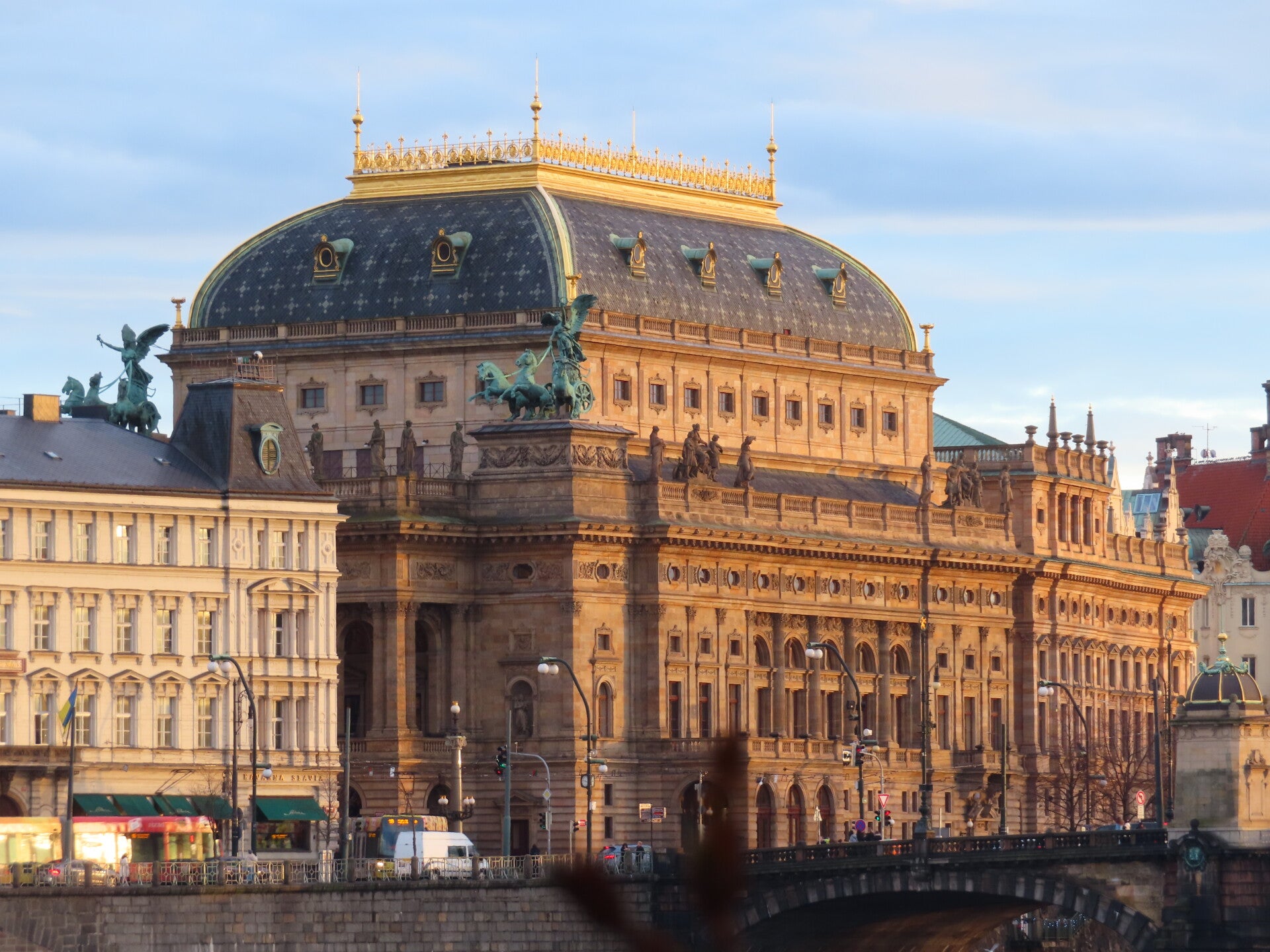
The National Theatre Prague is one of the most famous theatres in the Czech Republic. This Neo-Renaissance masterpiece by Josef Zítek, standing on the corner of Národní and the Masaryk Embankment in Nové Město, is a protected national cultural monument and ranks among the country’s most important buildings - culturally, historically, and architecturally.
It’s one of those Prague landmarks that never fails to fascinate me. The building radiates grandeur, crowned by its iconic golden roof ornaments that glow beautifully at night and can be seen from far away. The sculptures along the façades complete the picture.
At You Love Prague, we happily dive into the history books to uncover its story - although the exterior alone already makes a visit worthwhile.

The exterior alone already makes it well worth a visit.
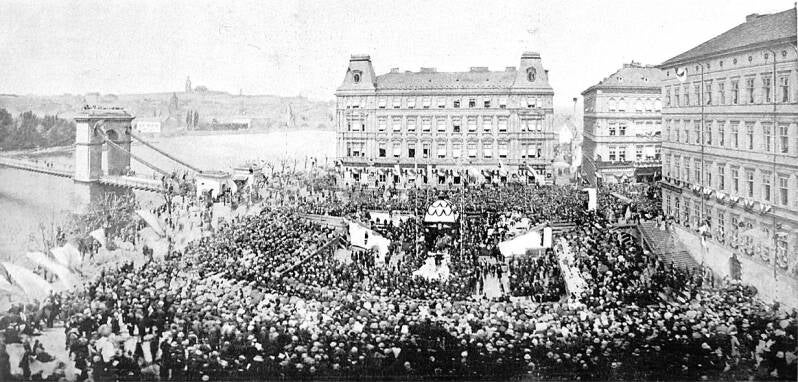
History
Architecture and sculpture
Gods and Allegories
This architectural masterpiece, completed by Josef Schulz after the fire, represents Neo-Renaissance design at its finest. The richly decorated façade features classical columns and sculptures celebrating Czech culture. Above the main entrance stand the statues Apollo and the Nine Muses by Bohuslav Schnirch.
On the river side of the building you’ll find two sculptural groups symbolising Dance and Music, along with four freestanding statues representing Opera, Drama, History, and Poetry.

Statue of the Music Allegory
Horses and chariots on the roof
Look up and you’ll spot two impressive bronze sculptures on the roof: the trigae. These three-horse chariots are driven by the winged goddess of victory, Victoria (Nike), and were installed in 1911.
They’ve undergone several renovations over the years and, at one point, even had concrete poured into the horses’ hind legs to help them withstand potential bombing during the Second World War.
On a clear day, you can admire the trigae directly from the theatre’s terrace during an intermission. For a closer look, a guided tour of the National Theatre is highly recommended.

One of the trigae
Interior splendour
The interior is just as breathtaking as the exterior. Lavish decorations, generous use of gold, and beautifully painted ceilings create an atmosphere of pure opulence. The main auditorium, with its deep red velvet seats and impressive chandeliers, provides a truly majestic setting for any performance. Even the balcony boxes—especially the presidential one—are a feast for the eyes.
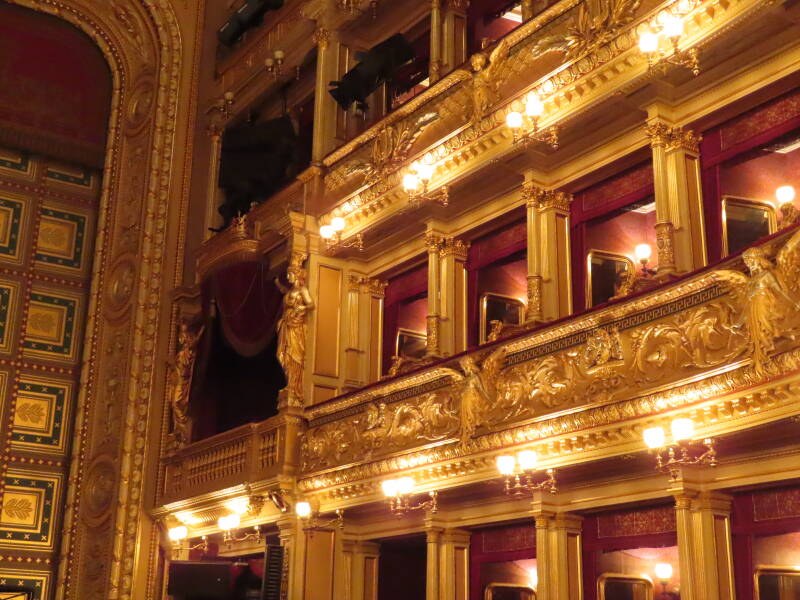
Balcony boxes, with the presidential box on the left.
How can you experience the National Theatre?
You can read about it endlessly, but nothing beats seeing it with your own eyes. Fortunately, there are several ways to do so:
-
Admire the exterior for free
-
Join an English-language guided tour via the official National Theatre website
-
Buy tickets for an opera, ballet, or theatre performance via the official National Theater website
The National Theatre in Prague is far more than an architectural masterpiece; it is a living symbol of cultural heritage and national pride. Over the centuries, it has reflected the resilience and spirit of the Czech people - and it remains an invaluable treasure in the world of art and theatre.
Whether you love opera, ballet, drama, or simply appreciate magnificent historic architecture, a visit to the National Theatre in Prague is an unmissable experience that immerses you in the richness of Czech culture and history.
Photos of the National Theatre
For some of the best shots of the National Theatre there are a couple of places that you can go to:
- Strelecky ostrov, meaning Shooters Island, is the island below the middle of the Legionbridge
- Go to the Goethe Institut and look out the window of the third of fourth floor. You get a free view.
- Anywhere around the National Theater in the dark, when the building is lit